Language
 English
 Português
 Deutsch
 Français
 русский
 Italiano
 日本語
 عربي
 Español
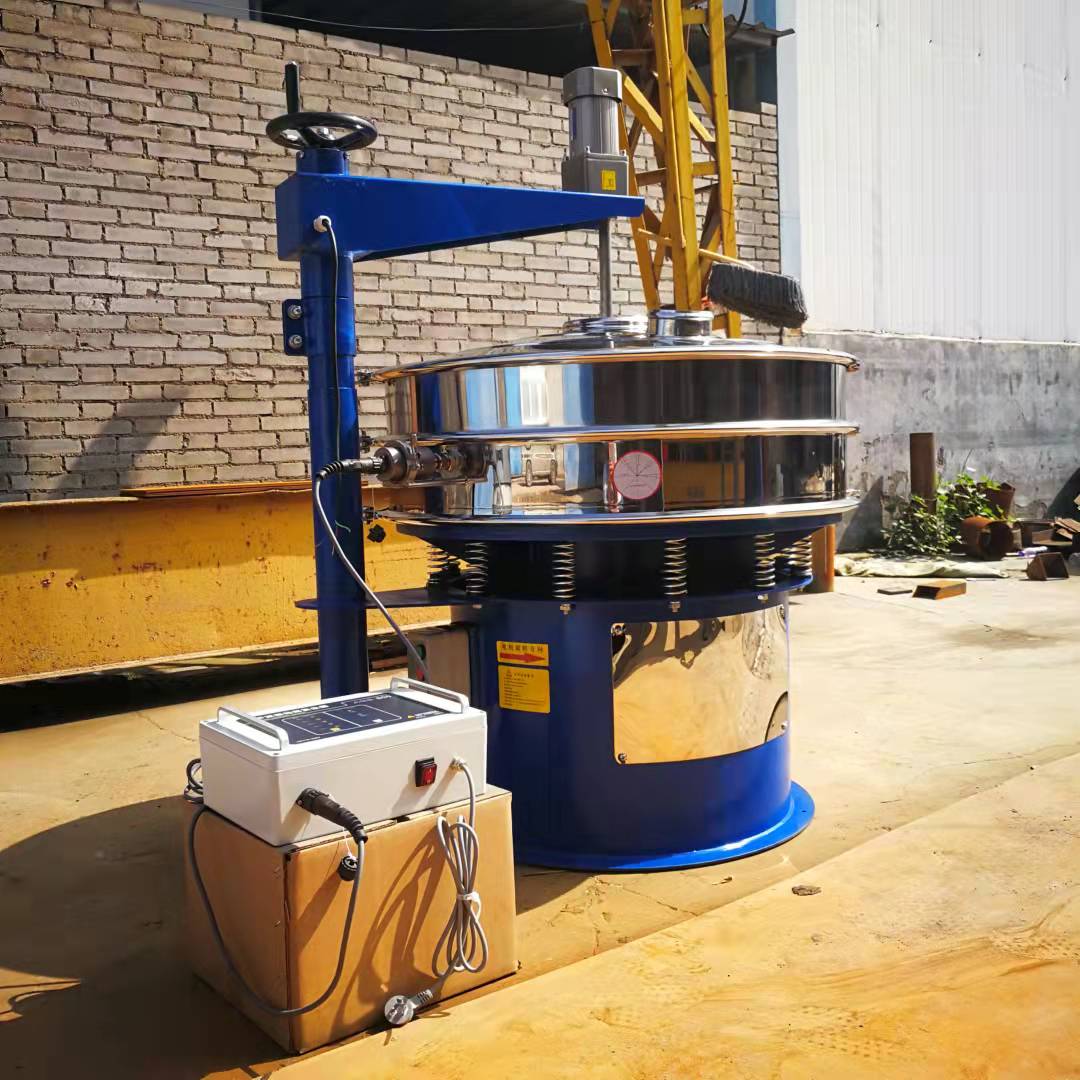
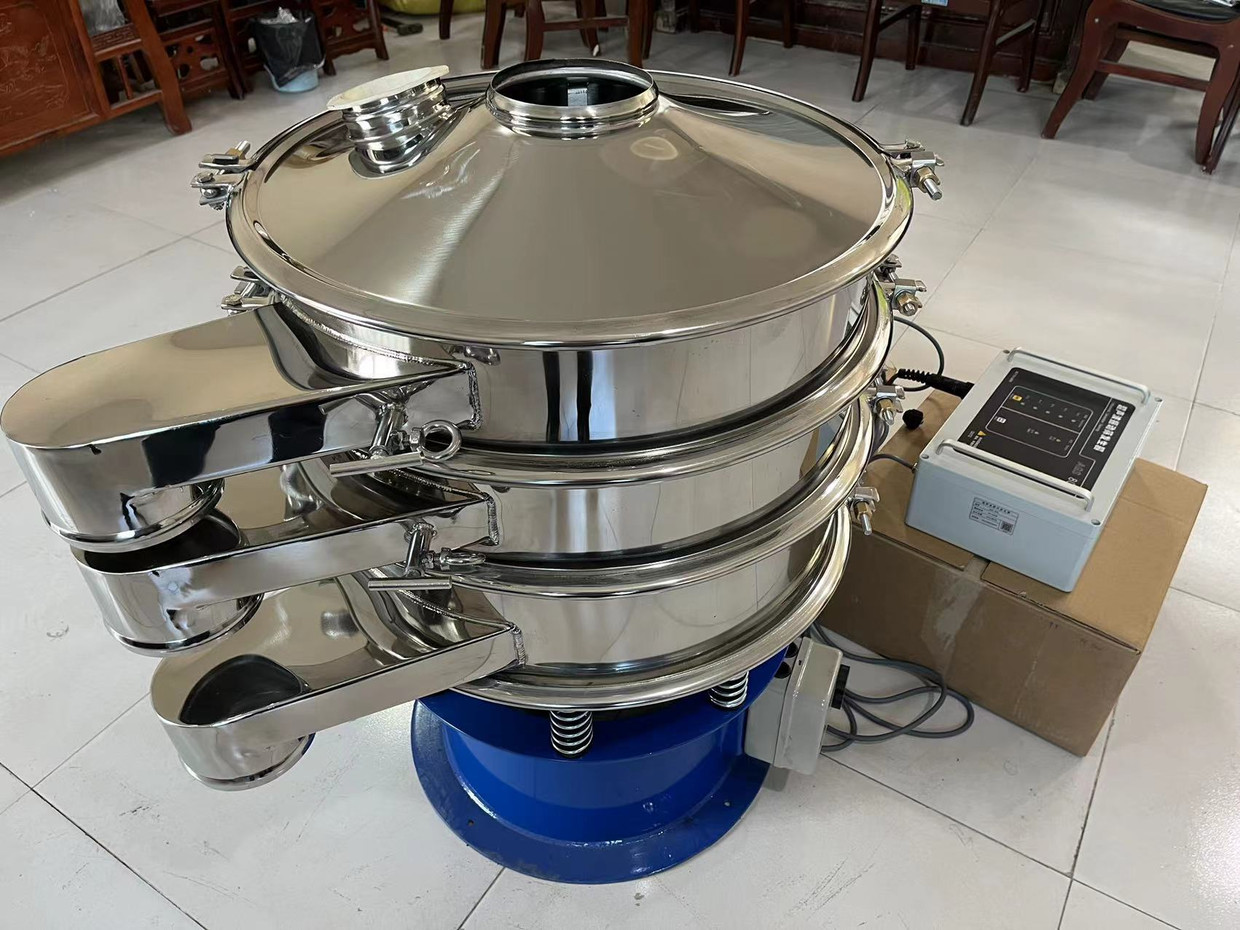
When a plant first installs an ultrasonic vibrating screen, operators often turn the ultrasonic power up to maximum, assuming more energy means less blinding. In practice, excessive power causes different problems: mesh overheating, accelerated wire fatigue, and agitated fine powder that stops stratifying properly.
A better method is to start low and adjust against a measurable indicator. The simplest one is blinding rate: run the machine for a fixed period, stop, and inspect how much of the mesh area is pegged. Increase the power one step at a time until the mesh stays visibly clean, then stop. More power beyond that point adds heat and wear without improving throughput.
Frequency tuning matters as much as amplitude. After every mesh change, the resonant frequency of the mesh-and-frame assembly shifts slightly. If the generator is left at the old setting, output drops and the operator compensates with power, which is exactly the wrong direction. A two-minute tuning routine after each mesh change keeps the system at its natural efficiency.
Duty cycle is another lever. For sticky or high-moisture powders, intermittent operation, for example ten seconds on and a few seconds off, often keeps the mesh cleaner than continuous output, and it extends transducer life at the same time.
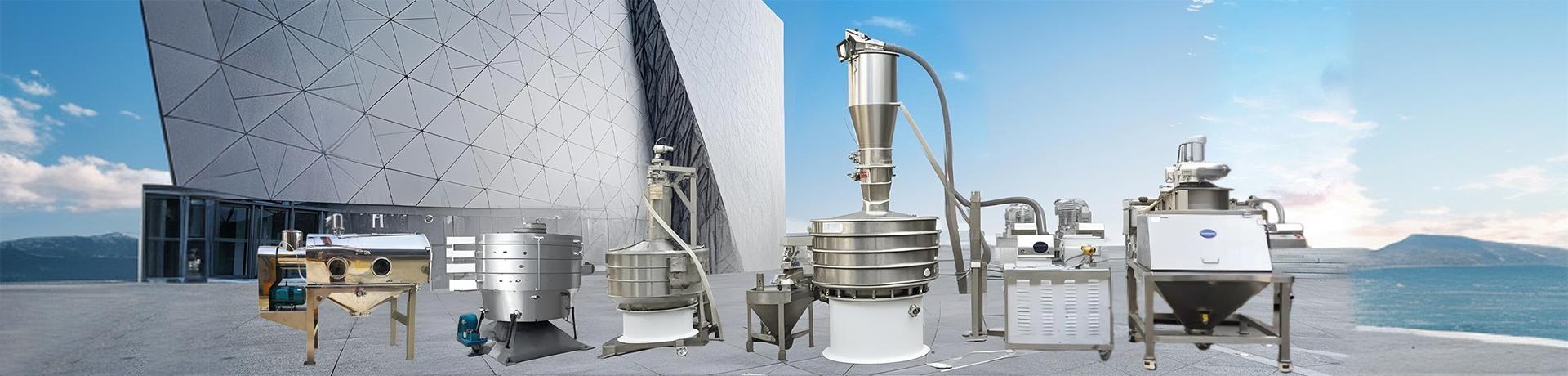
At Tianteng Machinery every ultrasonic screen frame is power-tested before shipment and delivered with a tuning sheet. If your operators are running the ultrasonics flat out, ask us for the recommended settings for your powder.