Language
 English
 Português
 Deutsch
 Français
 русский
 Italiano
 日本語
 عربي
 Español
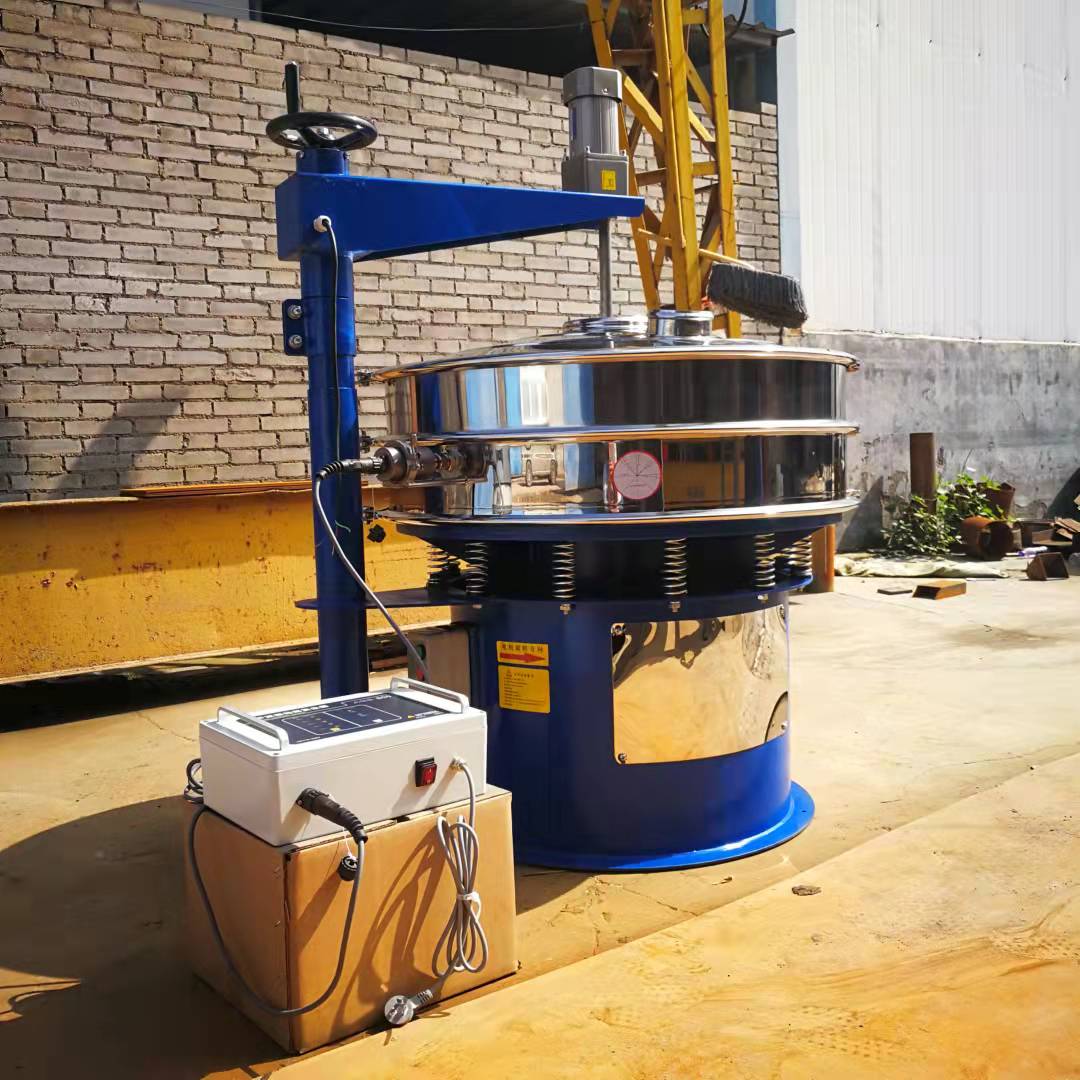
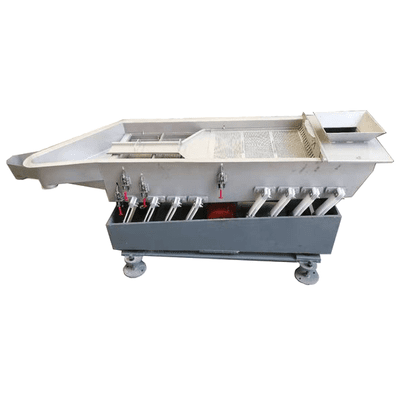
Wide linear screens are efficient when the whole deck is working and wasteful when only the middle third is. In practice, most underperforming linear screens we are asked about have a feed distribution problem rather than a capacity problem.
Material arriving from a belt or a chute lands in a heap. On a narrow screen the heap spreads quickly because the deck is only a couple of metres wide. On a 2.4 or 3 metre wide deck, the heap can persist for a metre or more of travel, which means the outer edges of the deck see almost no material while the centre runs a thick bed and blinds.
The consequences are easy to measure. Look at the oversize discharge: if it arrives as a narrow ribbon in the centre of the width, the deck is not being used. Look at the underside: uneven dust patterns or worn liners on one side only indicate the same thing.
Four changes fix most cases. First, slow the feed down and widen it: a short vertical section of chute before the screen, with a spreader plate or a static distributor, turns a stream into a curtain. Second, angle the feed chute so material lands on thedeck rather than being dropped onto it; impact velocity is what creates a heap. Third, use a feed box with an adjustable lip so the discharge width can be tuned on site. Fourth, check that the deck is level across its width. A linear screen sitting 3 mm out of level will bias material to one side continuously.
For sticky or fibrous material, a stepped distributor or a short section of grizzly bars ahead of the mesh can spread the feed while breaking up lumps. For very light material, be careful not to over-ventilate the feed box, or the fines will be carried away before they reach the deck.
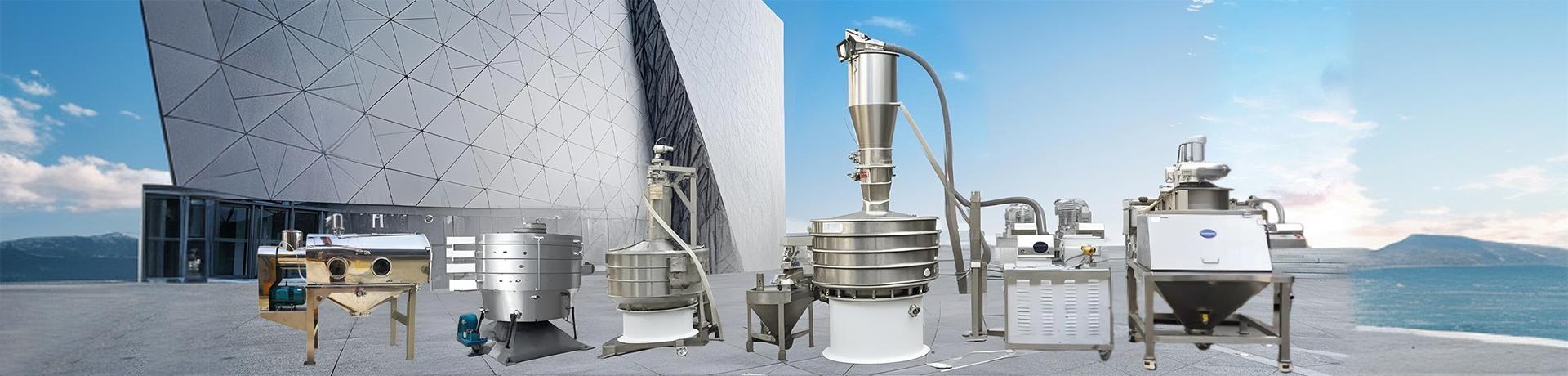
It is worth measuring before changing anything: weigh the oversize from the centre and from each edge over the same period. The numbers usually make the case for a distributor more convincingly than any argument. Tianteng Machinery builds linear screens with feed boxes and spreaders matched to the material and the belt width upstream.