Language
 English
 Português
 Deutsch
 Français
 русский
 Italiano
 日本語
 عربي
 Español
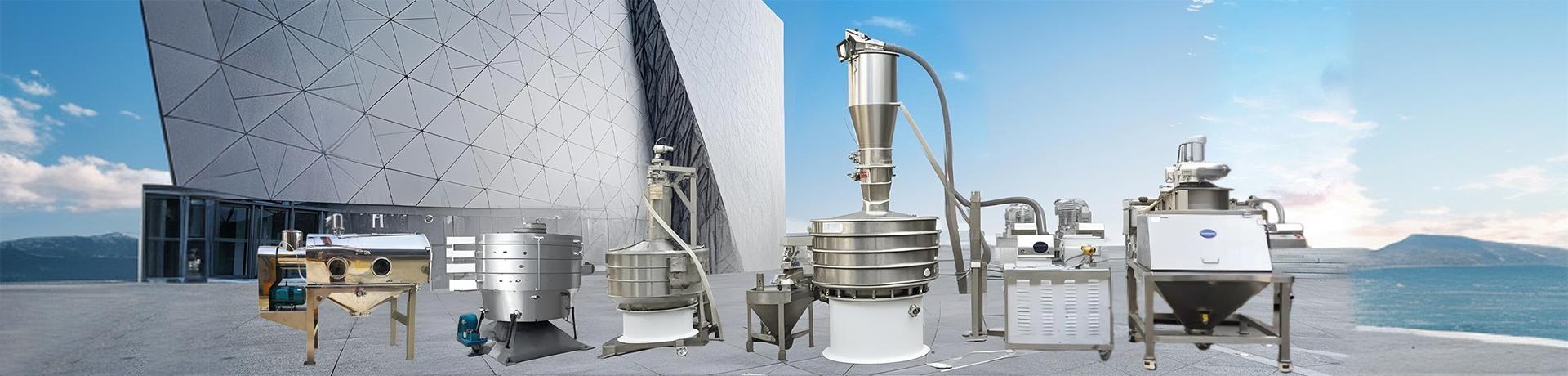
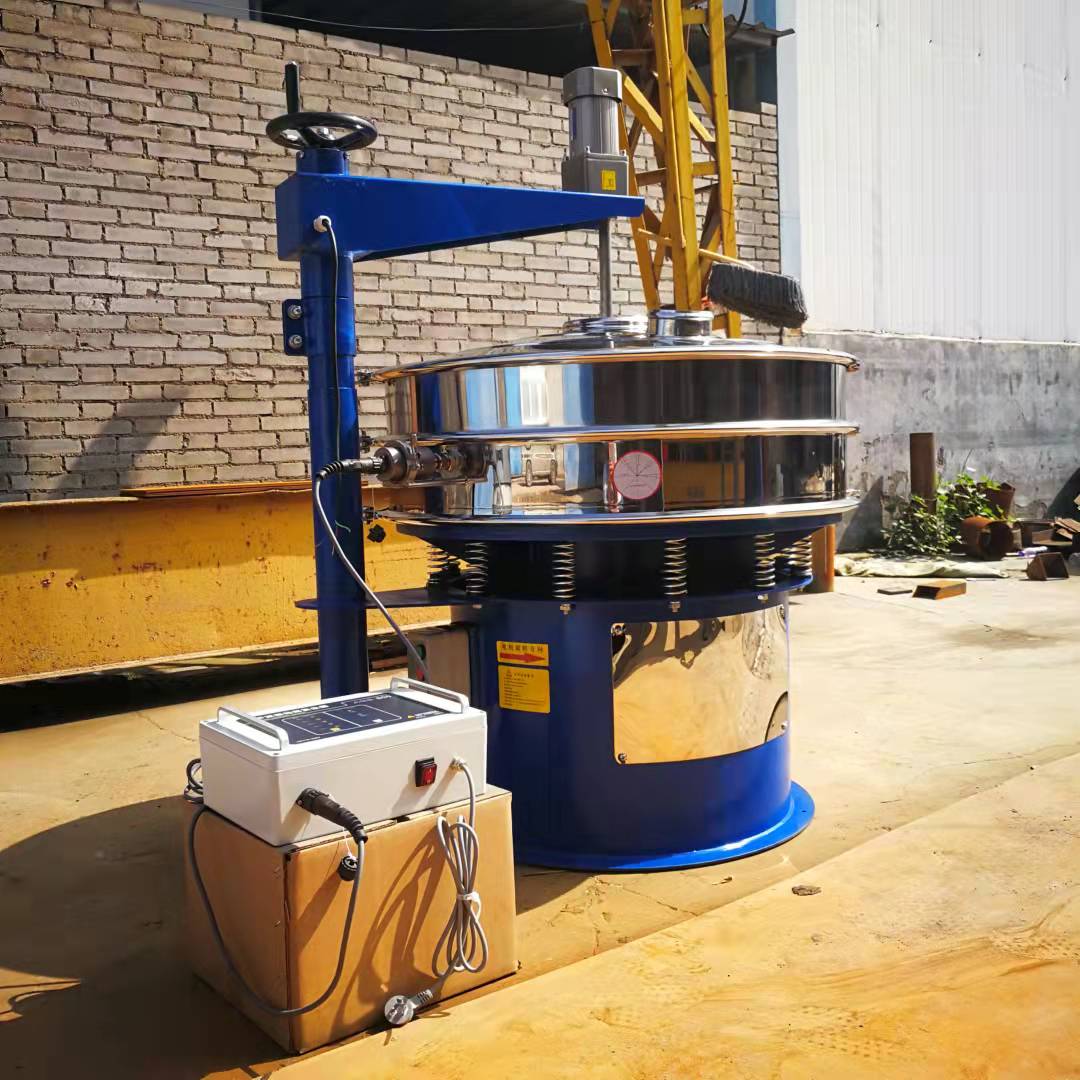
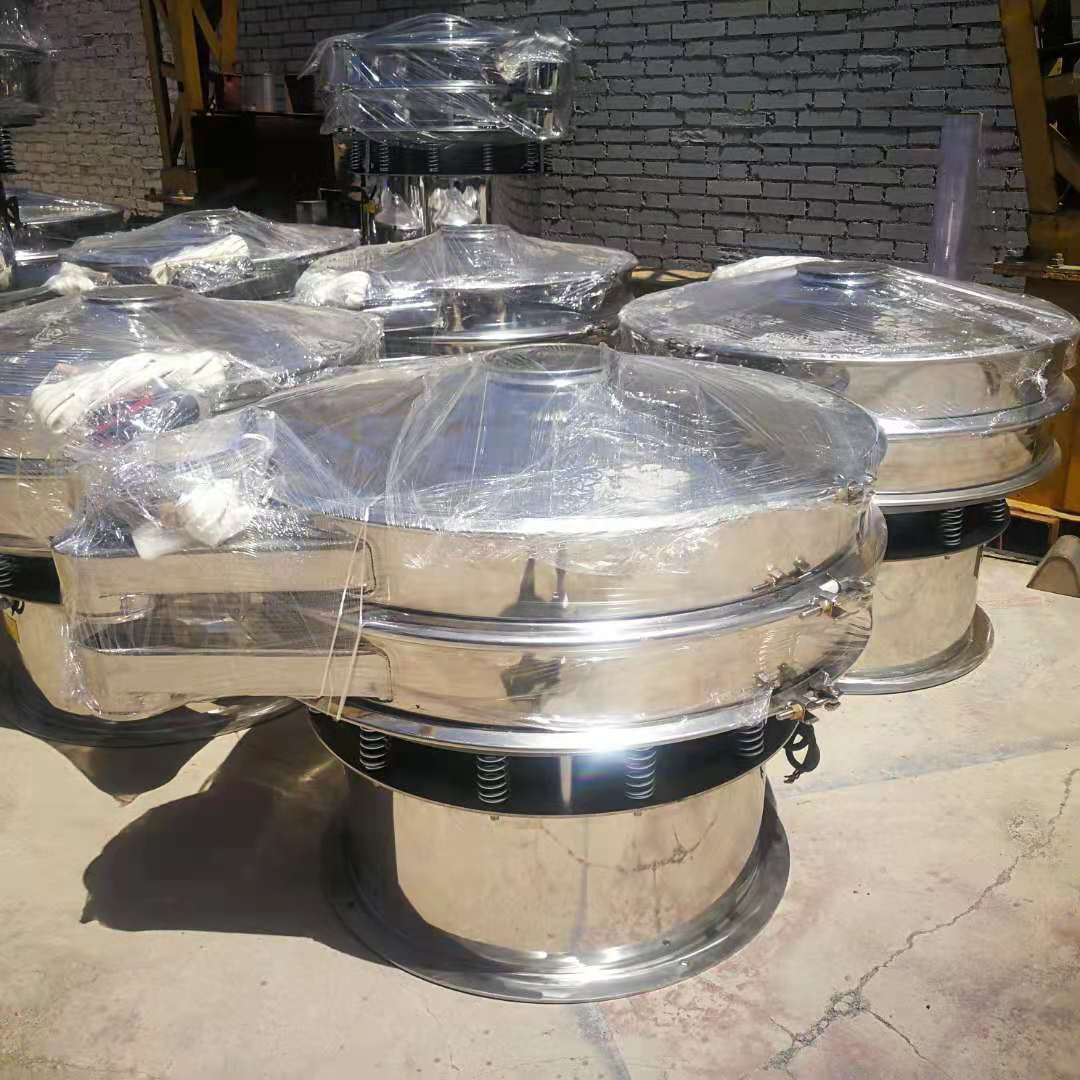
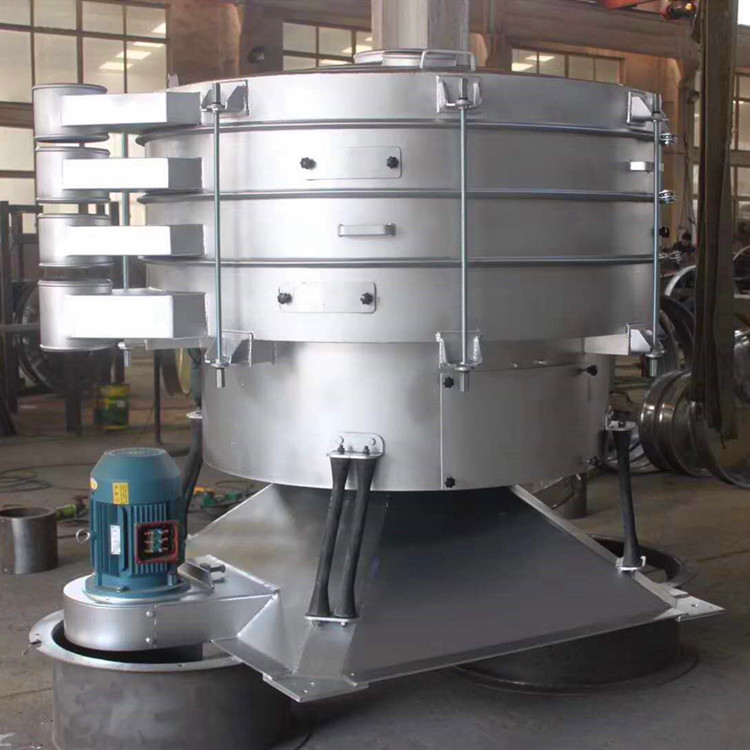
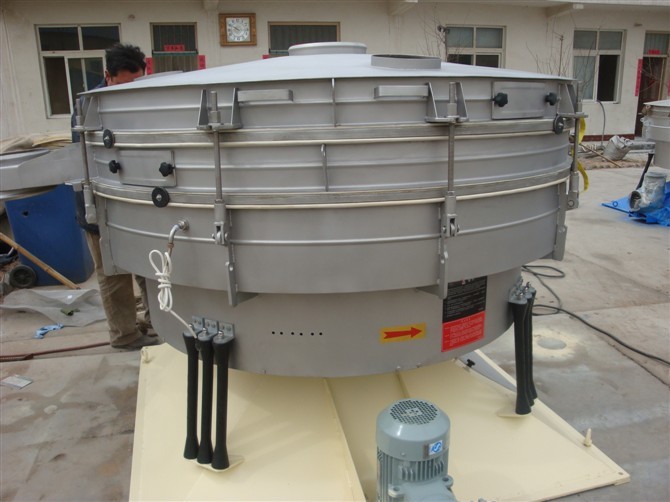
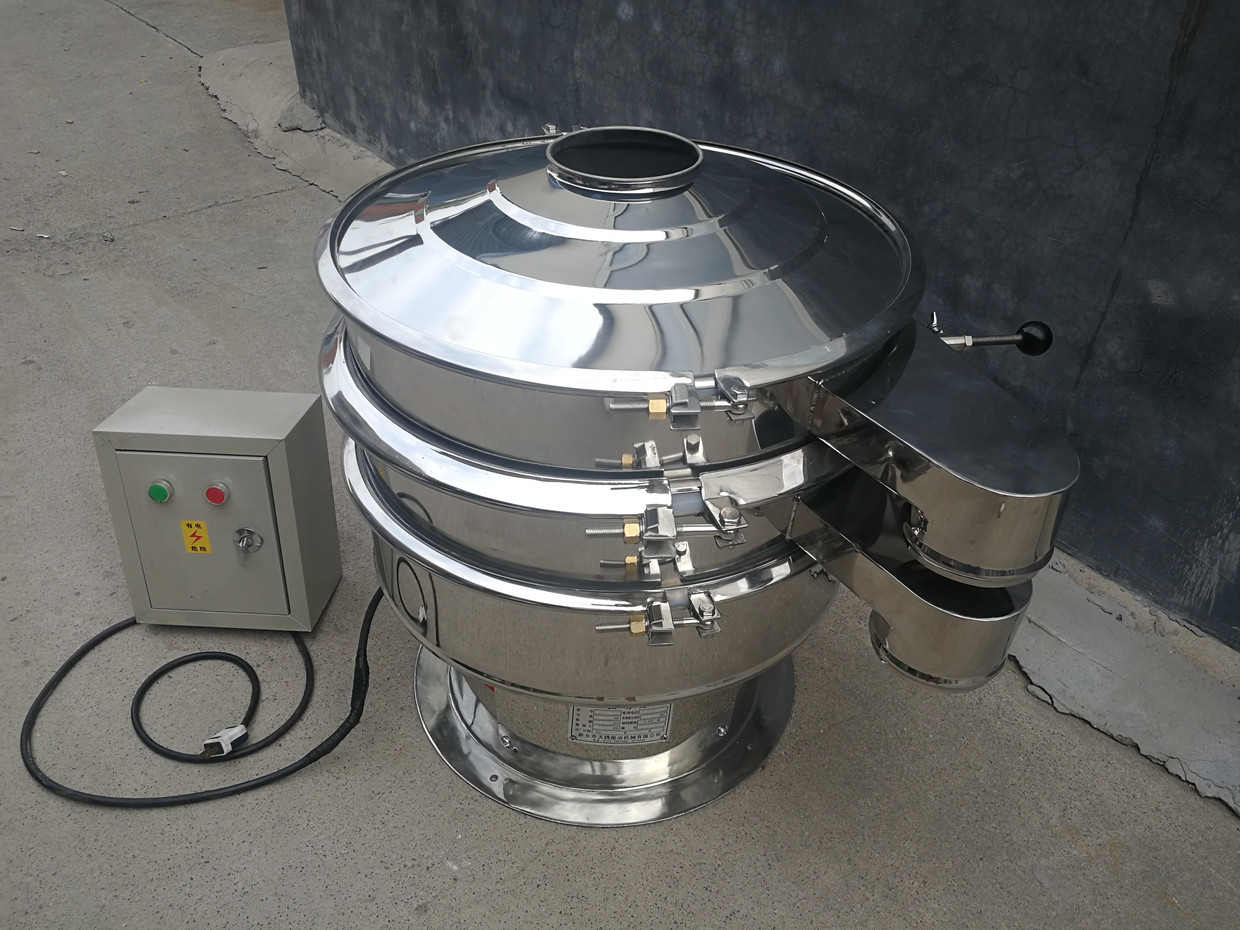
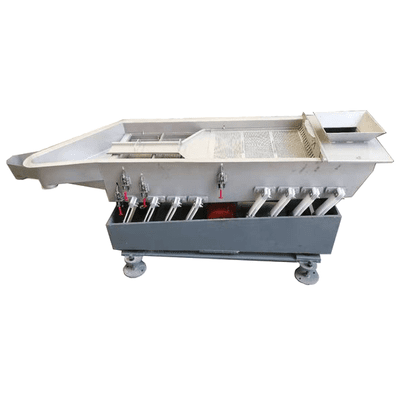
Most screener projects are spec'd around capacity, mesh size and drive type. Then the machine arrives, runs beautifully on test, and in the plant it underperforms. Nine times out of ten, the problem is downstream of the mesh: the discharge chutes.
A screener only works if material leaves it fast enough. When undersize piles up at the outlet because a chute is too narrow, the fines layer builds on the screen and the separation degrades even though the screener itself is fine. The classic symptom is a machine that passes acceptance testing with dry gravel but clogs in production with the real product.
Three rules cover most cases. First, chute angles: fine powders need steeper slopes than granular material, typically 55 to 60 degrees for cohesive products, and internal surfaces should be smooth, not folded. Second, transition pieces: a rectangular screen outlet discharging into a round pipe needs a properly made transition, not an improvised adapter that halves the opening. Third, dust-tight connections: the chute interface is where fugitive dust escapes, so use clamped flexible connections that can be opened for inspection without breaking the seal.
Also check what sits below. If a bucket elevator or conveyor takes material from the chute, its intake speed must match the screener discharge rate, or material backs up into the screen body.
We review chute layouts with customers before fabrication at Tianteng Machinery, because retrofitting a discharge system costs far more than designing it right. Send us your product flow and outlet positions, and we will check the layout with you.