 Language
 English
 Português
 Deutsch
 Français
 русский
 Italiano
 日本語
 عربي
 Español

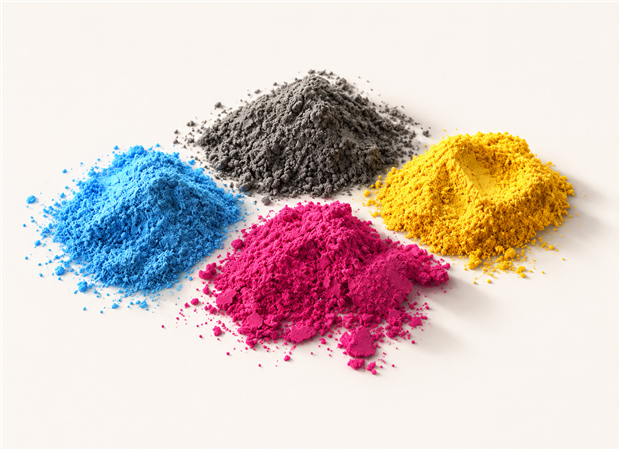



Ceramic manufacturing uses powders and slurries with different particle characteristics and processing requirements. Screening can help separate size fractions or retain oversize material at a defined stage. Its contribution should be assessed against the needs of mixing, forming, glazing or another downstream operation.
Specify the material and cut point
Dry ceramic powders may contain agglomerates that behave differently from individual particles. For slurries and glaze materials, solids loading and viscosity influence passage through the mesh. Define the target fraction and use representative material to evaluate both the accepted stream and the retained solids.
The trial should distinguish between separation and changes caused by handling or agglomerate breakdown. Record feed preparation, aperture, flow rate and sampling conditions. A visual improvement alone is insufficient evidence of a consistent particle-size result.
Account for abrasion and retained material
Abrasive feed can affect mesh service life and contact surfaces. Plan inspection points and replacement criteria, and consider whether wear could introduce unwanted material into the product. Colour changes and glaze changes also call for cleaning access and checks for retained solids.
Connect trial results to the production line
Review inlet distribution, outlet arrangements, available space and access for maintenance. Stable feeding and suitable downstream transfer conditions should be considered alongside the screening machine. Confirm performance at the intended duty before assigning a production capacity or predicting maintenance intervals.
Tianteng lists screening equipment such as circular swing and ultrasonic vibrating screens. The choice for a ceramic application should be supported by feed information, the required separation and configuration-specific trials. Share powder or slurry characteristics, capacity targets and installation constraints when making an enquiry.
No reduction in defects, increase in capacity or improvement in fired-product strength is guaranteed by this article. Applications involving dental, implantable or other regulated products require their own material, process and regulatory assessment.


