 Language
 English
 Português
 Deutsch
 Français
 русский
 Italiano
 日本語
 عربي
 Español




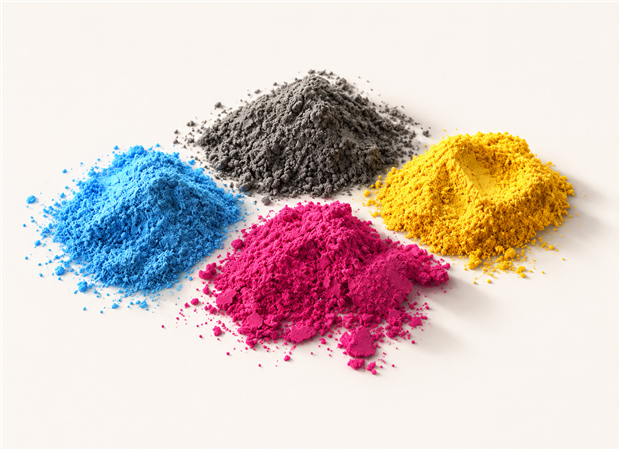
Chemical processing applications may use screening to divide particles into size fractions or retain oversize material before a later operation. The same nominal aperture can produce different results with different feeds. A practical specification should describe both the desired product fraction and the chemical and physical characteristics of the material.
Define the feed and required separation
Provide particle-size distribution, bulk density, moisture, operating temperature and the expected range of feed rates. For liquids or slurries, include viscosity and solids content. Sampling should distinguish accepted product from retained material so that separation performance and product loss can be assessed together.
Check compatibility and process hazards
Metal grades, seals and mesh should be reviewed against the chemical, its concentration and the cleaning procedure. A stainless steel designation alone does not establish resistance to every corrosive environment. Ask for a configuration-specific compatibility review where needed.
Combustible dust, flammable vapours, toxic exposure and static electricity require a process hazard assessment by competent personnel. An enclosed screen or stainless steel construction does not establish explosion protection. Electrical equipment, earthing, dust collection and any protective systems must be specified for the installation and applicable requirements.
Compare equipment under stated conditions
Use representative feed and an agreed sampling method when assessing screen area, mesh arrangements and operating settings. Record blinding, carryover, retained product and cleaning observations. Capacity and maintenance intervals should be based on the tested duty rather than general industry claims.
For a Tianteng enquiry, supply the material safety information, separation target, required throughput and site constraints. Confirm the proposed equipment’s materials, controls and documentation in the quotation. This article does not claim universal corrosion resistance, guaranteed productivity gains, explosion-protection certification or unrestricted suitability for hazardous chemicals.


