 Language
 English
 Português
 Deutsch
 Français
 русский
 Italiano
 日本語
 عربي
 Español


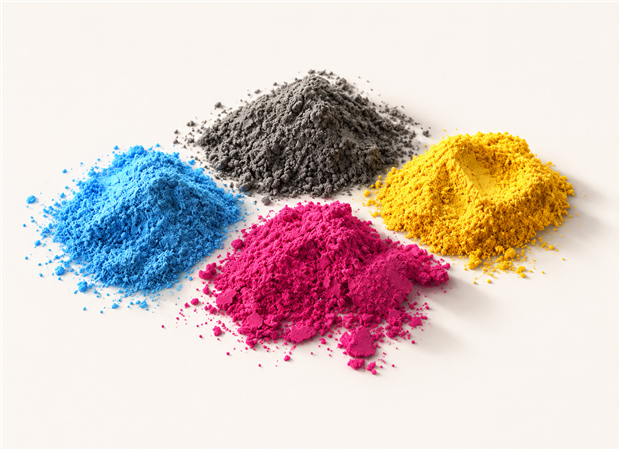

Sieving and straining can be evaluated in cosmetic manufacturing to control oversize particles and retain selected coarse material. The appropriate arrangement depends on whether the feed is a dry powder, a pigment dispersion or a liquid formulation. Defining the intended separation is the first step toward a useful equipment specification.
Assess powders and liquids separately
For dry ingredients, particle shape, cohesion and moisture influence movement across the mesh. Trials should check separation without assuming that every retained particle is an unwanted impurity. Intended formulation components may also be retained if the aperture is unsuitable.
For liquids and dispersions, viscosity, temperature and solids concentration influence flow. Excessive restriction may affect transfer conditions, so the screen should be considered together with the pump, piping and downstream operation. Test the actual formulation where practicable and confirm that processing does not adversely change its intended properties.
Review compatibility and changeovers
Specify product-contact surfaces and seals for the ingredients and cleaning agents in use. Colour and fragrance changeovers deserve particular attention because small residues can affect the next batch. Evaluate access to contact areas, the cleaning method and reassembly checks rather than relying solely on equipment appearance.
Keep separation claims specific
A sieve operates according to physical separation conditions. It does not establish microbiological safety, remove dissolved substances or substantiate a claim that a finished cosmetic is safe for every user. Finished-product safety assessment and market-specific claims remain separate responsibilities.
Buyers discussing a Tianteng screening application can provide material or formulation details, target aperture, viscosity where relevant, throughput and cleaning requirements. Confirm the available configuration before purchase. This article makes no FDA approval claim and does not attribute therapeutic or skin-treatment effects to screening equipment.


