 Language
 English
 Português
 Deutsch
 Français
 русский
 Italiano
 日本語
 عربي
 Español


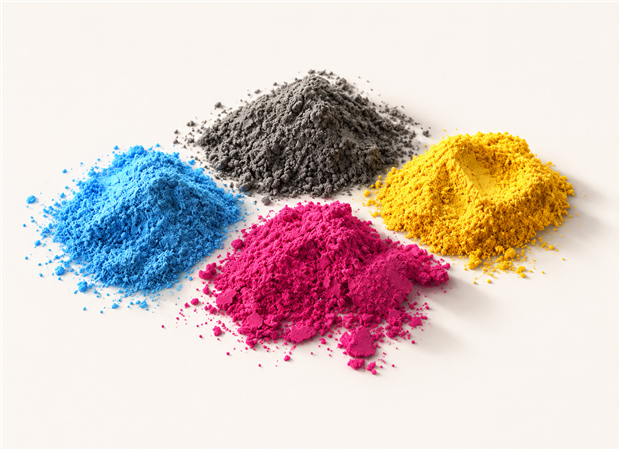

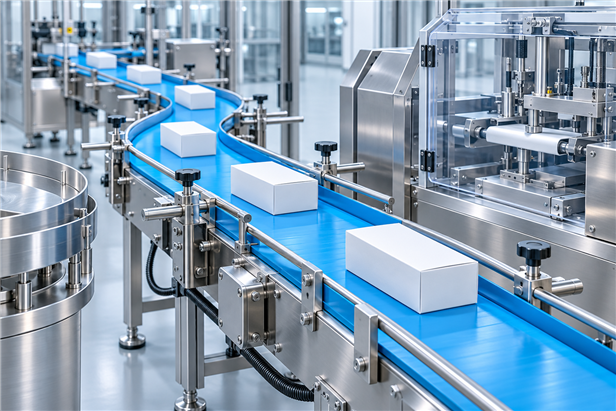
Pharmaceutical powder screening requires a clearly defined process purpose. A sieve may be evaluated for separating oversize particles or checking an ingredient before a subsequent operation. Its role must be assessed within the manufacturer’s quality system, with attention to the material, operator exposure and downstream product requirements.
Define the powder and separation task
Active ingredients and excipients can behave differently because of particle size, bulk density, moisture and cohesion. Establish the intended cut size and explain whether the task is a safety check, classification or preparation for another process. Representative trials should check the accepted and retained fractions; screening alone cannot establish identity, potency, sterility or freedom from contamination.
Specify contact materials and cleaning access
Review compatibility of metal surfaces, seals and mesh with both the powder and the cleaning method. A request for 316 or 316L stainless steel should be documented in the purchase specification and verified for the supplied components. Material grade or a polished appearance alone does not demonstrate hygienic suitability.
Discuss dismantling, inspection points, product retention and reassembly checks. Potent or sensitising materials may require containment measures beyond a standard screen enclosure. The process owner should define the necessary exposure controls and cleaning verification.
Agree documentation before procurement
Identify the drawings, material records, mesh identification, operating instructions and test records needed for the project. Qualification and validation activities should use agreed acceptance criteria under the buyer’s quality system. Supplier documentation can support that work but does not replace it.
For a Tianteng screening enquiry, provide powder characteristics, target aperture, required capacity, cleaning method and containment requirements. Configuration availability and documentation should be confirmed in the quotation. This article does not claim FDA approval, GMP certification, regulatory acceptance or suitability for sterile processing.


