Language
 English
 Português
 Deutsch
 Français
 русский
 Italiano
 日本語
 عربي
 Español
Define the problem before the trial
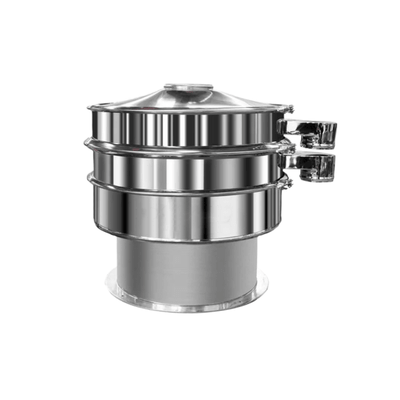
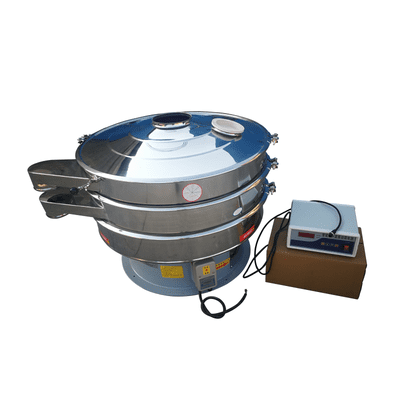
An ultrasonic vibrating screen applies ultrasonic activity to the mesh in addition to the main screening motion. It may be considered when fine powder blocks mesh openings. A useful trial should examine that specific problem rather than assume that an ultrasonic system will suit every powder.
Use a representative powder sample
Select material that reflects the actual process, including normal moisture condition and particle-size variation. Record its identity and storage conditions. A small, unusually dry sample may not represent production material that forms agglomerates during handling. Confirm that the equipment and trial area are suitable for any identified material hazards.
Keep the comparison meaningful
Agree on the mesh opening, feed method, trial duration and sampling method before testing. Where the equipment supplier permits comparative operation, change one relevant condition at a time. Record the ultrasonic settings used by the qualified operator. Do not apply settings from a different machine or assume that a higher setting is automatically preferable.
Inspect the result as well as the rate
Collect and label the separated fractions. Record the feed quantity, elapsed time and the condition of the mesh after the approved shutdown and isolation procedure. Note any deposits or blocked areas. Evaluate whether the required particle-size separation was achieved; a higher discharge rate alone does not establish product conformity.
Use the trial to define the next step
Share the powder details and test record with Tianteng when discussing an ultrasonic vibrating screen. Confirm the proposed configuration and acceptance criteria for the intended operating conditions. Trial results describe the tested sample and setup, and should not be presented as a guaranteed result for other powders.