Language
 English
 Português
 Deutsch
 Français
 русский
 Italiano
 日本語
 عربي
 Español
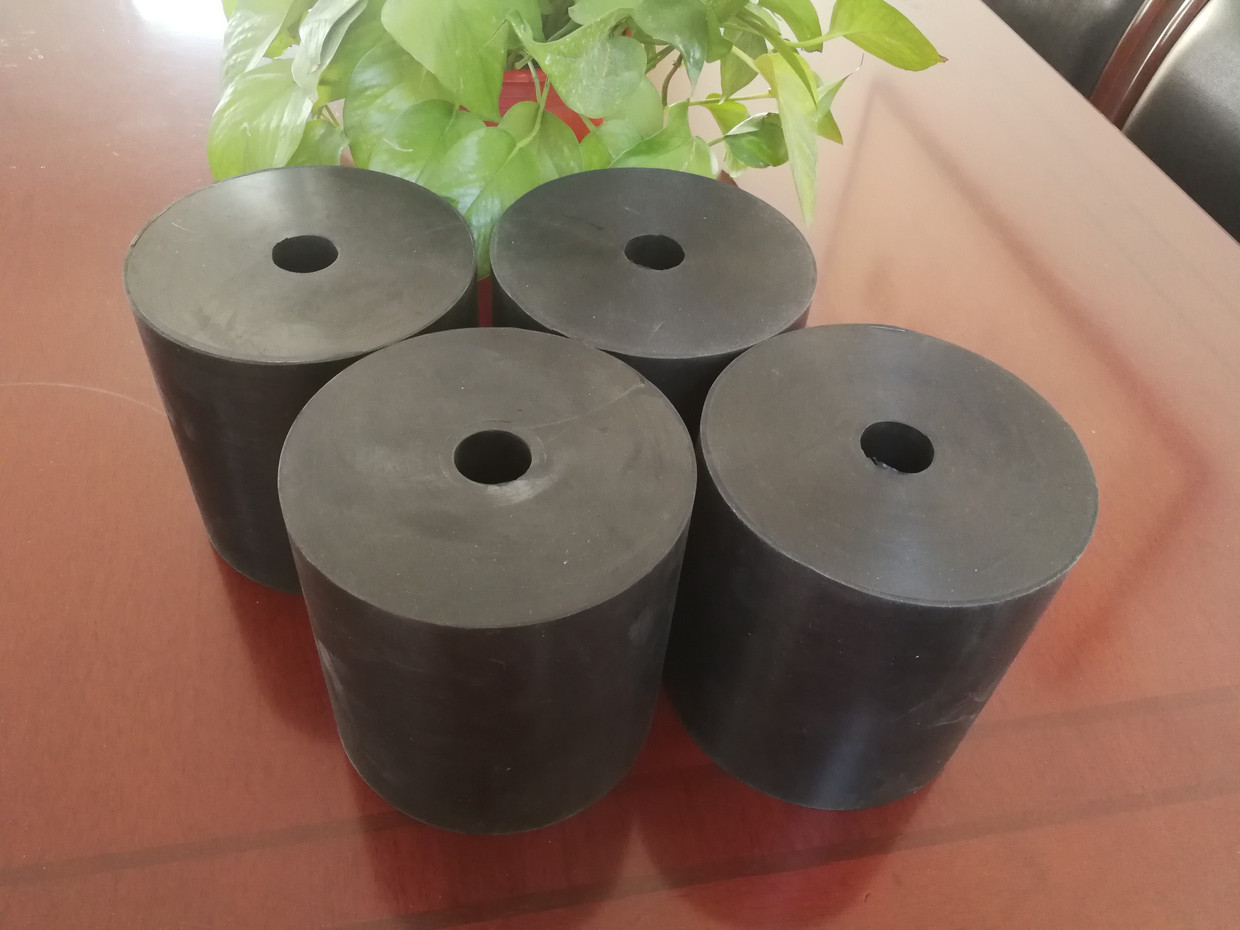

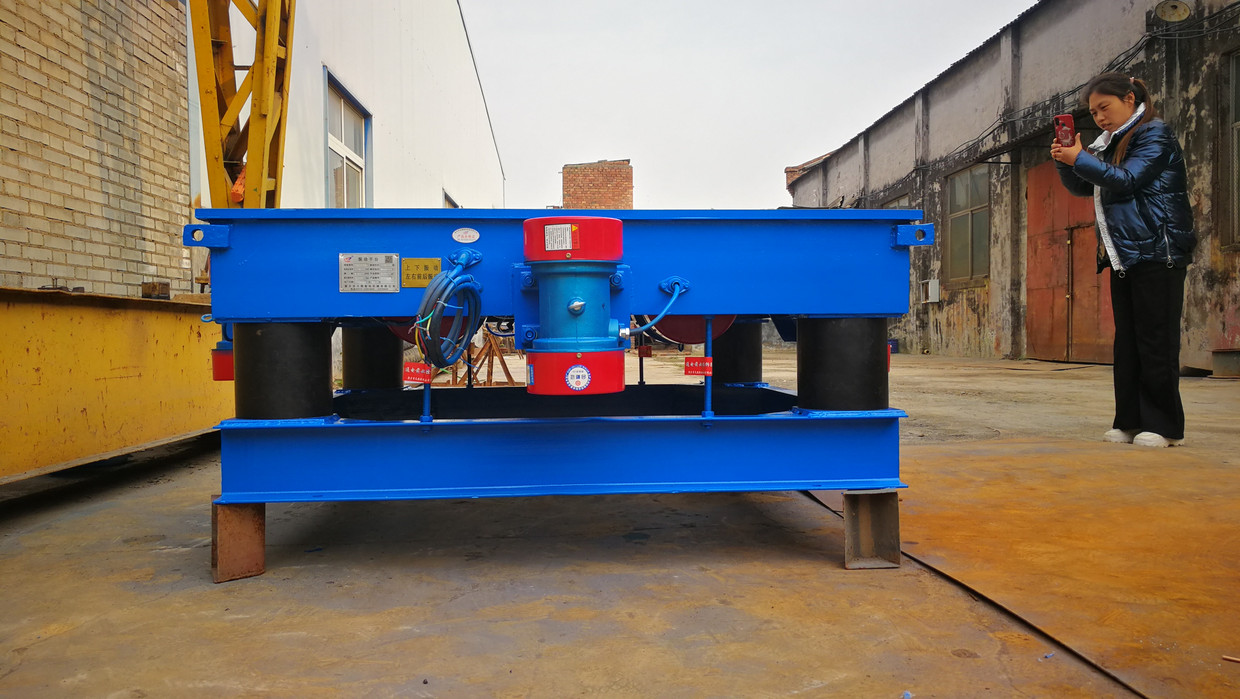
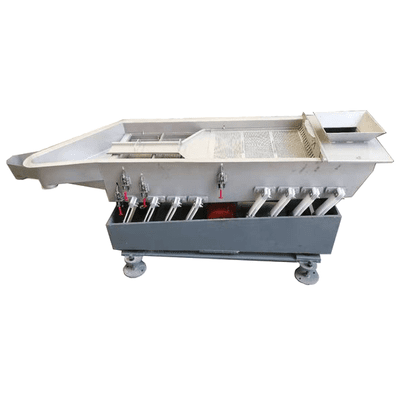
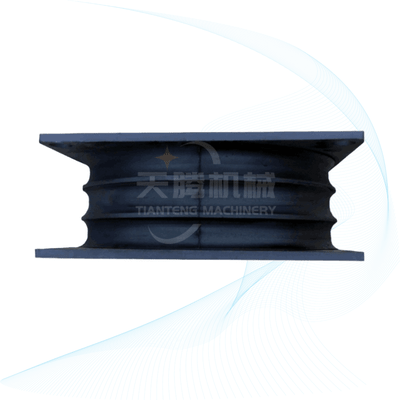
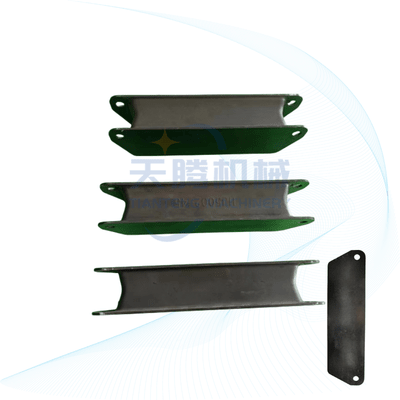
Most complaints about a screen transmitting vibration into a building trace back to the foundation rather than to the machine. Three principles apply. First, the support structure must be stiff enough that its natural frequency is well away from the operating frequency; a flexible floor will amplify movement instead of absorbing it. Second, isolation should be placed between the screen and the structure, using steel springs for large machines and rubber mounts for smaller ones, with the static deflection chosen to suit the stroke. Third, the screen must be free to move: pipework, chutes and cables connected to the body need flexible sections, otherwise the isolation is bypassed and vibration travels through the connections. For units mounted at height, a separate steel frame on its own footings is often the cleanest solution. Tianteng Machinery provides load and fixing data for structural design and can review a proposed installation layout.